
Transitioning from viewing a vehicle as a casual luxury to managing it as a high-value, operational asset is a fundamental shift in mindset. For most people, an automobile is the second-largest financial investment made in a lifetime. Yet, routine maintenance is often ignored until warning lights flash or major mechanical components fail. Operating a vehicle responsibly requires moving away from reactive firefighting and adopting a deliberate, day-to-day management strategy.
A proactive approach to vehicle care pays substantial dividends over time. It preserves structural integrity, keeps safety systems operating as designed, minimizes steep depreciation, and prevents small wear-and-tear items from escalating into multi-thousand-dollar emergency repairs. Establishing simple daily habits and adhering to structured maintenance schedules ensures that your investment remains a reliable, efficient mode of transportation for hundreds of thousands of miles.
The Daily & Weekly Routine: Driver Habits That Prevent Wear
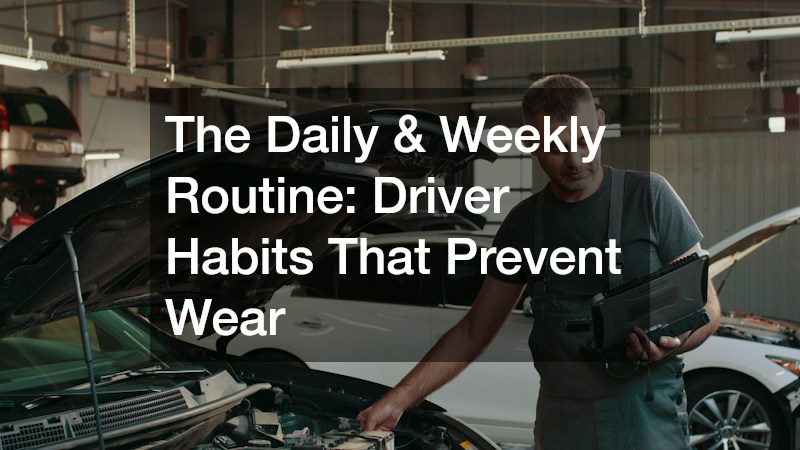
Long-term mechanical reliability starts in the driver’s seat. The way you operate your vehicle on everyday trips directly influences the wear rate of its engine, transmission, brakes, and suspension.
-
Engine & Fluid Temperature Management:
-
Cold Start Protocol: Allow the engine to idle for 30 to 60 seconds after starting. This brief pause allows the oil pump to circulate fluid throughout the upper valvetrain, reducing metal-on-metal friction before placing the engine under load.
-
Warm-Up Driving: Avoid hard acceleration, heavy towing, or high RPMs until the engine temperature gauge reaches its normal mid-point operating range.
-
Weekly Fluid Checks: Pull the dipstick to verify motor oil levels, inspect coolant expansion tanks, and check windshield washer fluid weekly. Identifying a slow coolant loss early prevents severe overheating damage down the road.
-
-
Mindful Driving Practices:
-
Eliminate Excessive Short Trips: Frequent trips under two miles prevent the engine and exhaust system from reaching full operating temperature. This leads to moisture accumulation in the engine oil and carbon buildup inside combustion chambers.
-
Smooth Braking and Acceleration: Anticipate traffic flow to coast to a stop smoothly. Aggressive stop-and-go driving rapidly wears down brake friction pads and places unnecessary stress on engine mounts and transmission bands.
-
-
Vehicle Hygiene & Weight Management:
-
Decluttering the Cabin: Remove heavy cargo, tools, and unnecessary items from the trunk or cargo bed. Carrying extra weight forces the engine to work harder, reducing fuel efficiency and accelerating suspension sagging.
-
Rinsing Environmental Contaminants: Wash away road salt, bird droppings, tree sap, and mud promptly. Allowing corrosive winter road chemicals to sit on underbody components causes rapid frame, brake line, and exhaust line oxidation.
-
Tire & Wheel Care: The Foundation of Road Safety and Efficiency
Tires represent the sole contact point between your multi-ton vehicle and the road surface. Maintaining proper tire pressure, tread health, and wheel alignment is paramount for vehicle stability, wet-weather traction, and fuel economy.
-
Air Pressure & Tread Depth Inspections:
-
Monthly Pressure Audits: Check tire inflation levels at least once a month when the tires are cold using an accurate digital pressure gauge. Under-inflated tires increase rolling resistance, degrade fuel economy, and cause rapid shoulder tread wear, while over-inflated tires reduce the contact patch and compromise grip.
-
Monitoring Tread Health: Inspect tread depth regularly using the penny test or a dedicated depth gauge. Ensure tread depth remains well above 2/32 of an inch to prevent hydroplaning on wet highways.
-
-
Rotation & Wheel Maintenance Schedules:
-
Routine Tire Rotations: Rotate tires every 5,000 to 7,500 miles. Moving tires between front and rear axles balances natural wear differences caused by steering angles and drive power distribution.
-
Addressing Rim Defects: Bumping curbs or hitting severe potholes can cause minor wheel bends, hairline rim fractures, or bead seal corrosion that leads to persistent air leakage. Seeking specialized local rim repairs allows technicians to straighten bent aluminum rims, clear bead corrosion, and restore true wheel balance without requiring expensive total wheel replacements.
-
-
Tire Replacement Protocols:
-
When tread wear reaches safety thresholds, invest in high-quality replacements tailored to your climate and vehicle weight rating.
-
Utilize professional new tire services to ensure fresh tires are properly mounted, dynamically balanced on high-speed equipment, and fitted with fresh rubber valve stems or recalibrated TPMS sensors.
-
Steering, Suspension, & Alignment: Protecting Your Ride Quality
Your vehicle’s steering and suspension systems absorb road impacts while keeping the tires flat against the pavement. Neglecting these undercar components leads to unpredictable handling, accelerated tire wear, and compromised emergency braking stability.
-
Identifying Suspension Degradation:
-
Auditory Clues: Pay attention to unusual clunks, squeaks, or metallic popping sounds when turning the steering wheel or driving over speed humps. These noises typically signal worn ball joints, failing sway bar end links, or degraded control arm bushings.
-
The Bounce Test: Push down firmly on each corner of the vehicle and release. If the chassis bounces more than once or twice before settling, the shock absorbers or struts are worn out and require replacement.
-
-
Handling & Tracking Audits:
-
Observe how the vehicle tracks down a straight, level road. If the steering wheel pulls to one side, feels loose, or vibrates at highway speeds, the suspension geometry is out of specification.
-
Inspect tire treads for feathering or cupping, which indicates that the tires are scrubbing sideways rather than rolling smoothly forward.
-
-
Corrective Suspension Maintenance:
-
Schedule annual or post-impact alignment repairs to restore factory camber, caster, and toe angles. Precision alignment repairs prevent premature tire destruction, improve straight-line tracking, and minimize rolling resistance for better fuel efficiency.
-
Replace failing tie rod ends and control arms immediately. A broken tie rod or ball joint can cause complete loss of steering control while driving.
-
Scheduled Mechanical Maintenance: Partnering with Trusted Technicians
A central pillar of responsible ownership is strict adherence to the manufacturer’s scheduled maintenance matrix. Servicing fluid networks and mechanical assemblies before components fail prevents major engine and drivetrain failures.
-
Beyond Engine Oil Changes:
-
Fluid Service Intervals: Replace automatic transmission fluid, differential gear oil, transfer case fluid, and engine coolant according to manufacturer mileage recommendations rather than waiting for fluids to turn dark or burn.
-
Filter & Spark Plug Care: Swap out engine intake and cabin air filters annually to optimize combustion airflow and protect interior air quality. Replace worn spark plugs and ignition coils at recommended intervals to prevent misfires and catalytic converter damage.
-
-
Brake System Maintenance:
-
Inspect brake pads, rotors, and calipers during every tire rotation. Replace pads before friction material wears down to the steel backing plates to prevent gouging expensive brake rotors.
-
Flush the brake fluid every two years. Brake fluid is hygroscopic, meaning it absorbs ambient moisture over time, lowering its boiling point and causing internal rust inside master cylinders and ABS hydraulic valves.
-
-
Selecting the Right Repair Partners:
-
Establish an ongoing relationship with a qualified local auto repair service for routine diagnostics, oil changes, and mechanical maintenance. A trusted local auto repair service builds a documented history of your vehicle, helping you track upcoming maintenance needs transparently.
-
For specialized vehicles, seek out niche mechanical expertise. If you own a motorhome or camper conversion, booking a certified rv mechanic ensures that heavy-duty chassis components, high-capacity cooling systems, onboard generator plants, and auxiliary house battery networks are serviced safely by technicians trained in heavy-duty mobile systems.
-
Exterior Body Care & Collision Recovery: Preserving Structural Integrity
Maintaining your vehicle’s body panels, frame rails, and paint finishes protects structural safety in crash scenarios while guarding against rust damage that destroys vehicle resale value.
-
Paint Protection & Surface Care:
-
Routine Washing & Waxing: Wash exterior paint surfaces bi-weekly using a dedicated automotive soap. Apply a coat of synthetic paint sealant or ceramic coating twice a year to block UV radiation, acid rain, bird droppings, and industrial fallout from etching into the clear coat.
-
Touch-Up Care: Immediately treat minor stone chips and door scratches with factory touch-up paint before bare steel oxidizes into bubbling surface rust.
-
-
Managing Cosmetic Body Damage:
-
Addressing minor parking lot dings, dented quarter panels, or cracked plastic bumper covers prevents long-term finish degradation.
-
Scheduling repairs at an established auto body repair shop allows technicians to perform paintless dent removal, repair cracked fiberglass or plastic trim, and spray factory-matched paint finishes that restore the vehicle’s original visual appeal.
-
-
Collision Restoration Protocols:
-
Following an accident—even a minor low-speed impact—it is essential to evaluate structural components behind exterior panels.
-
Work with a certified auto body repair service or specialized auto collision shop to perform thorough structural inspections. A dedicated auto collision shop utilizes laser frame-measuring equipment to realign bent unibody structures, recalibrate advanced driver-assistance systems (ADAS) sensors embedded in bumpers, and replace damaged crumple zones to ensure the vehicle retains its original crash-test safety rating.
-
Specialized Vehicles & Utility Customization: Managing Niche Equipment
Certain vehicles require specialized maintenance protocols and custom upfitting beyond standard consumer passenger cars. Whether managing a motorcycle, a heavy work truck, or a commercial fleet van, tailored care ensures reliable performance.
-
Specialty Vehicle Maintenance Habits:
-
Two-wheel and utility vehicles experience different wear patterns than standard cars. Motorcycles require frequent drive chain tensioning and lubrication, tire dry-rot checks, and fork oil replacements.
-
Inspect hydraulic clutch lines, primary drive belts, and exposed mechanical linkages regularly on open-air vehicles to prevent mechanical failure on the open road.
-
-
Partnering with Motorcycle Specialists:
-
Maintaining specialized V-twin machinery or custom cruiser motorcycles requires targeted mechanical knowledge, specialized metric or standard tooling, and diagnostic software.
-
Scheduling seasonal tune-ups, tire upgrades, and mechanical repairs at a reputable harley repair shop guarantees that primary fluid changes, belt alignments, and high-performance engine tuning are completed according to exact manufacturer specifications.
-
-
Commercial & Utility Upfitting:
-
Work trucks, delivery vans, and utility vehicles often require specialized interior storage, exterior ladder racks, secondary battery banks, or high-output power inverters to serve as functional mobile workstations.
-
Enlisting an expert automotive upfitting service ensures that heavy cargo shelves, auxiliary lighting packages, and power distribution systems are safely installed. A professional automotive upfitting service calculates electrical load capacities, uses fused wiring looms, and anchors heavy interior storage securely to structural wall supports, keeping work crews safe and organized on the job site.
-
Seasonal Readiness & Emergency Preparedness: Expecting the Unexpected
Weather extremes place high stress on automotive systems. Preparing your vehicle for seasonal weather transitions and equipping it with emergency gear keeps you safe during unexpected breakdowns.
-
Spring & Summer Seasonal Prep:
-
Cooling System Check: Test radiator fan operation, inspect rubber coolant hoses for soft spots or bulges, and ensure the radiator fins are clear of dead bugs and road debris before summer temperatures spike.
-
A/C Performance Audit: Check air conditioning outlet temperatures and cabin blower fan speeds to ensure comfortable interior climate control during heatwaves.
-
-
Fall & Winter Seasonal Prep:
-
Battery Testing: Cold weather slows chemical reactions inside lead-acid batteries, drastically reducing cranking amps. Have your battery and alternator tested each autumn to replace aging batteries before winter freezes leave you stranded.
-
Rubber & Seal Maintenance: Apply silicone grease to rubber door seals to prevent doors from freezing shut in sub-zero weather. Fill washer fluid reservoirs with low-temperature de-icing washer fluid.
-
-
Assembling a Comprehensive Emergency Kit:
-
Power & Lighting: Store a compact lithium-ion jump-starter pack, heavy-duty jumper cables, and a high-lumen LED flashlight with spare batteries in the vehicle at all times.
-
Tire & Mechanical Tools: Keep a working tire pressure gauge, a portable 12-volt air compressor, a tire plug kit, a solid lug wrench, and a bottle jack onboard.
-
Safety & Survival Supplies: Pack a first-aid kit, reflective safety vests, road flares or LED emergency beacons, basic hand tools (pliers, screwdrivers, adjustable wrench), a tow strap, blankets, and non-perishable emergency snacks.
-
Financial Discipline & Documentation: Managing the Total Cost of Ownership
Responsible vehicle ownership involves managing financial aspects just as carefully as mechanical ones. Tracking maintenance expenditures and keeping organized service records protects your financial health and maximizes resale value.
-
Proactive Financial Budgeting:
-
The Vehicle Sinking Fund: Establish a dedicated savings account or sinking fund specifically reserved for vehicle maintenance and repairs. Setting aside $50 to $100 per month absorbs the financial impact of wear items like new tires, brake overhauls, or battery replacements without disrupting your household budget.
-
Cost-Per-Mile Tracking: Calculate your total cost of ownership annually, including fuel, insurance, routine maintenance, and repairs. Monitoring this metric helps you determine when an older vehicle transitions from a cost-effective transport asset into an unreliable money pit.
-
-
Service Documentation & Resale Optimization:
-
Maintaining a Service Binder: Keep a organized binder or digital folder containing every repair receipt, oil change invoice, tire purchase record, and warranty document throughout your ownership period.
-
Maximizing Resale Value: A fully documented service history provides concrete proof to future buyers or dealerships that the vehicle was maintained meticulously. Buyers willingly pay top market value for pre-owned vehicles that come with complete, transparent service records demonstrating consistent, responsible care.
-
Responsible vehicle ownership is not about becoming a master mechanic overnight. It is about building consistent daily habits, paying attention to early mechanical warning signs, and maintaining a disciplined service schedule. By prioritizing preventative care, protecting exterior surfaces, and establishing strong working relationships with trusted repair professionals, you transform your car from an unpredictable expense into a safe, long-lasting financial asset that serves you reliably for years to come.