Brake services are an essential component of routine vehicle maintenance. Ensuring that your vehicle’s brakes are functioning correctly is crucial for safe driving. Brake services typically include inspections, replacements, and repairs of various components within the braking system.
The frequency of these services depends on various factors, including the type of vehicle, driving conditions, and usage patterns. Understanding the correct scheduling for brake services can prevent costly repairs and enhance safety.
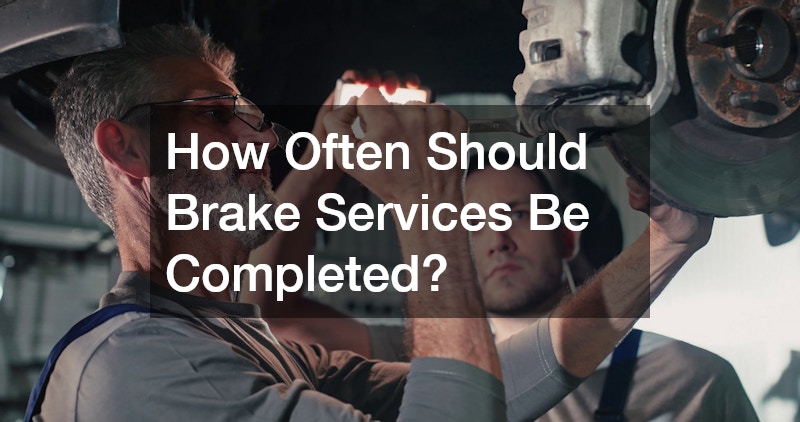
While there might not be a one-size-fits-all answer, it is generally recommended to have your brakes inspected at least once a year. During these inspections, a thorough check of the brake pads, rotors, and other components is crucial. This ensures that everything is in working order, and any potential issues can be addressed before they escalate. The importance of regular brake services cannot be overstated, as they directly impact the safety and performance of your vehicle.
For drivers who frequently operate their vehicles in stop-and-go traffic, the need for brake services might arise more often. Under such conditions, brakes experience more wear and tear, necessitating more frequent inspections and maintenance. Even in less stressful driving conditions, brake performance can degrade over time. Regular brake services are thus indispensable to maintaining optimal stopping power and prolonging the lifespan of the braking system.
The Importance of Brake Services
Brake services are critical in maintaining a car’s safety and ensuring that it performs as expected. Brakes are perhaps the most critical safety feature in any vehicle, making them a priority in any maintenance schedule. Well-maintained brakes can prevent accidents by providing the driver with reliable stopping power. Moreover, regular checks can help detect early signs of wear and tear, allowing timely interventions. This proactive approach not only saves money but also ensures that the vehicle remains safe to drive.
Neglecting brake services can lead to serious consequences, including brake failure. The risk of such failures highlights why consistent brake maintenance should never be overlooked. Regular brake servicing helps in identifying worn-out components, which can then be replaced promptly. Every part of the braking system, from pads to rotors, plays a crucial role in halting a vehicle. In the event of a component failure, the safety of the vehicle’s occupants, as well as others on the road, is compromised.
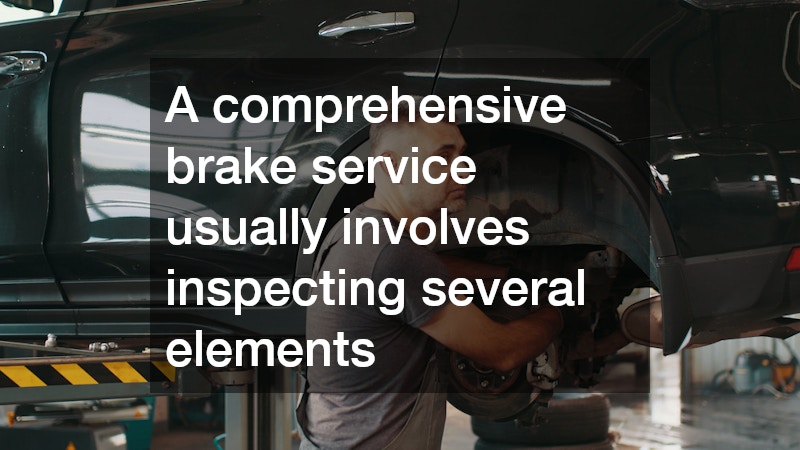
A comprehensive brake service usually involves inspecting several elements such as the brake fluid, brake pads, rotors, and calipers. Each plays a significant role in ensuring that the braking system operates efficiently. Modern vehicles often include integrated systems that require specialized expertise during servicing. It’s essential to have qualified professionals handle these services to ensure all parts are in optimal condition. This thorough inspection and maintenance ensure that the braking system remains fully functional.
Signs That You Need Brake Services
There are several tell-tale signs indicating that it’s time to schedule a brake service. Unusual noises, such as squeaking or grinding when you apply the brakes, are major indicators. These sounds typically arise from worn-out brake pads or rotors. They indicate that parts of your braking system might be in poor condition and need immediate attention. Ignoring these noises can lead to more extensive damage and costly repairs.
A vibrating brake pedal is another common sign that brake service is needed. This vibration may result from warped rotors, which occur due to excessive heat or uneven pressure. It’s an indication that the braking system is not performing as it should, potentially compromising your safety. Getting a timely service can fix this issue and restore the system’s effectiveness. Overall, any change in how the brake pedal feels should prompt a visit to the auto service center.
In addition to making audible noises and vibrating brake pedals, a noticeable decrease in braking efficiency is a significant red flag. If you find that the vehicle is taking longer to stop than usual, this is an indicator that your brakes may be wearing down. This can be due to thin brake pads or low brake fluid levels, both of which require immediate attention. This decrease in performance poses a severe safety risk and demands prompt intervention. Regular brake services can mitigate these issues by maintaining your vehicle’s stopping power.
How Often Should You Schedule Brake Services?
The ideal frequency for scheduling brake services depends largely on driving habits and vehicle type. For some vehicles, brake inspections every 12,000 to 15,000 miles might suffice. However, others might require more frequent checks, especially if driven under harsh conditions. Regardless, it’s advisable to refer to the vehicle’s manual for specific recommendations. This ensures services are conducted in line with manufacturer guidelines.
For those frequently driving in urban settings with heavy traffic, brakes will wear out more quickly. In these scenarios, brake inspections might be necessary every six months to ensure safety. It’s advisable to schedule these services proactively, rather than waiting for noticeable issues to arise. Being proactive with brake maintenance can save costs related to major replacements. It can significantly reduce the risk of unforeseen failures, which often come with high repair bills.
A thorough understanding of your vehicle’s needs and adherence to recommended brake service schedules can extend the life of your braking system. Regular inspections and maintenance maximize performance and ensure the safety of all passengers. With routine check-ups, potential issues are addressed before escalating into severe problems. Consistent brake services contribute to both the longevity and reliability of your vehicle. Therefore, integrating them into your maintenance plan is vital for optimal vehicle performance.