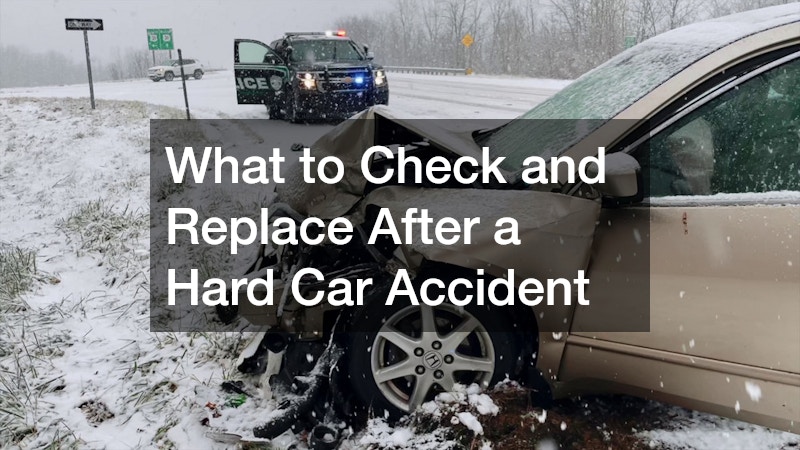
A severe traffic crash forces thousands of foot-pounds of energy through a vehicle’s structure in a fraction of a second. Even when a modern automobile appears visually salvageable after a hard collision, the structural, mechanical, and electronic components underneath the surface undergo immense stress. Modern vehicles are designed with crumple zones that absorb impact energy to protect the cabin, but this intentional crumpling means that critical hidden systems are often compromised. Inspecting and replacing damaged parts post-accident is not just a matter of cosmetic restoration; it is a critical safety process to ensure your vehicle remains roadworthy, predictable, and capable of protecting you in the future.
- A hard impact transfers energy through the entire vehicle frame, often causing hidden structural or mechanical failures behind intact outer panels.
- Complete recovery requires inspecting three core areas: structural integrity, mechanical driveline components, and digital safety systems.
Structural Integrity and Frame Assessment

Evaluating Unibody and Frame Alignment
The underlying chassis acts as the foundational backbone for every mechanical system in your car. During a hard impact, this frame can twist, buckle, or bend out of manufacturer specifications. Even a minor misalignment in the unibody structure causes uneven weight distribution, accelerated tire wear, and severe handling instability. Advanced computerized laser measuring equipment must be used to measure key control points along the underside of the vehicle to check for subtle shifts.
- Frame misalignment alters factory crumple zones, making the vehicle significantly less safe in a subsequent crash.
- Signs of frame distortion include uneven door gaps, misaligned trunk lids, and steering that pulls hard to one side.
Assessing Structural Pillar Damage
Roof pillars and door frames maintain the structural box around the passenger cabin. If these metal structures warp, doors may bind, seals may fail, and the roof loses its crash-worthiness during a potential rollover event. Cracks or deep stress creases along structural pillars signal that the metal has reached its yield limit and must be pulled back into exact alignment or cut out and replaced entirely using factory-approved joining methods.
Suspension and Steering Systems
Inspecting Control Arms and Struts
Suspension components bear the immediate force of heavy side or frontal impacts. Bended control arms, cracked strut housings, or damaged sway bar links completely disrupt wheel geometry. Operating a car with bent lower control arms leads to unpredictable steering feedback and unsafe tracking down the road. Comprehensive suspension repairs are often necessary after a hard hit to restore factory alignment angles like camber, caster, and toe.
- Shock absorbers and struts can suffer internal valve damage or fluid leaks without showing obvious external bends.
- Damaged suspension Bushings can deteriorate quickly after impact, leading to excessive play and knocking noises over bumps.
Replacing Steering Knuckles and Tie Rods
Impact force pushed directly into the front wheels transfers straight through the steering rack, inner tie rods, and outer tie rod ends. Internal steering rack gears can strip or bind, while outer tie rods frequently bend under sudden side loads. Replacing bent tie rod ends and replacing hairline-cracked steering knuckles prevents total steering detachment while driving at high speeds.
Engine and Drivetrain Mechanicals
Checking Radiators and Cooling Systems
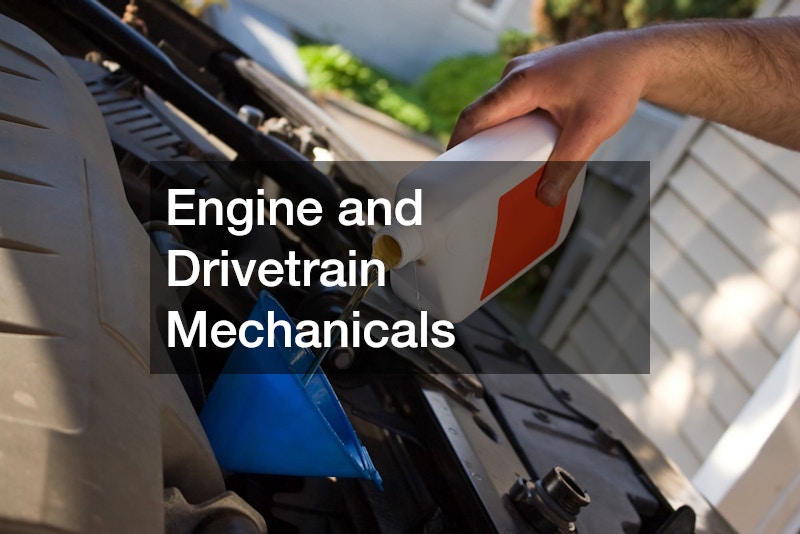
Front-end crashes crush heat exchangers, pushing the radiator directly into the engine block. Plastic radiator tanks split easily, and micro-cracks in the aluminum cooling fins allow coolant to bleed out under operating pressure. A depleted cooling system causes rapid engine overheating, warped cylinder heads, and blown head gaskets within minutes of running the engine post-impact.
- Auxiliary coolers, such as transmission fluid and power steering coolers, are highly vulnerable in front-end crashes.
- Inspect plastic fan blades and electric fan shrouds for stress cracks that could cause sudden fan failure under load.
Testing Transmission and Engine Mounts
Engine and transmission mounts consist of vulcanized rubber bonded to steel brackets, designed to absorb engine vibration and hold the powertrain in place. Severe collisions snap these metal brackets or tear the rubber isolators completely. Broken mounts allow the heavy engine block to shift out of place, causing driveshaft misalignment, binding shift linkages, and damaging surrounding wire harnesses.
Braking System Safety Checks
Inspecting Brake Lines and Fluid Leaks
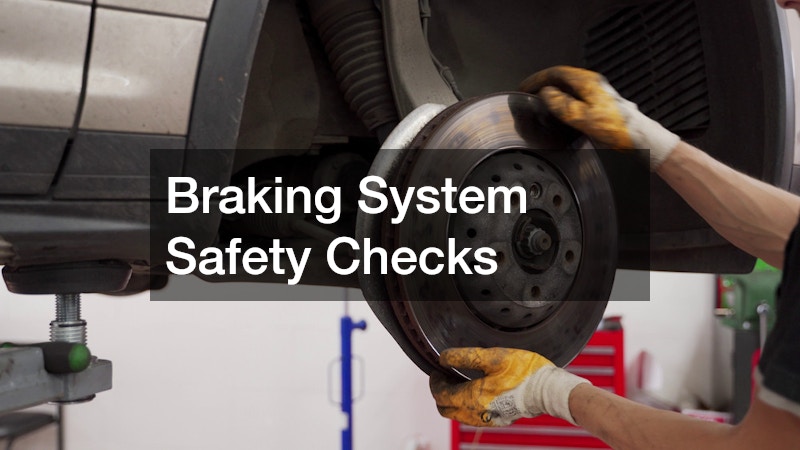
Hydraulic brake lines run along the frame rails and wheel wells, placing them directly in the splash zone of collision damage. Hard impacts can crimp, pinch, or puncture steel brake lines and rubber flexible hoses. A pinched line restricts fluid return, causing brakes to drag and overheat, while a severed line results in immediate hydraulic pressure loss and total pedal failure.
- Flex lines near the wheel wells can suffer internal wall tears that restrict fluid flow without leaking externally.
- Brake pedal feel should be firm; a spongy or sinking pedal indicates air or a pressure leak in the hydraulic circuit.
Servicing Hydraulic Systems at a Dedicated Shop
Restoring full stopping capability requires a dedicated facility equipped with high-pressure fluid flush tools and diagnostic scanners capable of cycling the anti-lock braking system valves. Taking the vehicle to a specialized brake shop ensures that warped rotors, cracked calipers, and compromised hydraulic seals are caught before you return to daily driving conditions.
Supplemental Restraint Systems
Replacing Deployed Airbags and Modules
Airbags are single-use safety devices that detonate using chemical pyrotechnics. Once triggered, the entire airbag assembly, including the steering wheel module, passenger dash unit, and side curtain airbags, must be completely discarded and replaced with brand-new original equipment parts. Additionally, the central airbag control module must be re-flashed or replaced to clear hard crash data.
- Impact sensors located behind the front bumper and inside side doors must be swapped out alongside the airbag units.
- Dashboard structures damaged by passenger airbag deployment often require full assembly replacement to hold new units securely.
Swapping Seat Belt Pretensioners
Modern seat belt retractor mechanisms incorporate explosive pretensioners that lock and cinch the belt tightly milliseconds before an airbag deploys. Even if an airbag does not fire, severe sudden deceleration locks the mechanical web-grabbers, permanently stretching the internal belt webbing and destroying the internal retractor gears. Post-collision protocols mandate replacing all worn or locked seat belt assemblies to guarantee occupant restraint in subsequent impacts.
Wheel and Tire Safety
Inspecting Rim Integrity for Micro-Fractures
Alloy wheels look solid, but high-energy force creates hairline stress fractures along the inner barrel and wheel spokes. These tiny cracks undermine the structural capacity of the wheel, increasing the risk of a catastrophic high-speed blowout. Alloy wheels subjected to direct lateral impacts should be dismounted, cleaned, and non-destructively tested or swapped out entirely.
- Steel wheels tend to bend upon impact, while aluminum alloy wheels are far more prone to cracking or shattering.
- Wheel hub bearings located directly behind the rim often suffer severe internal denting from heavy lateral forces.
Replacing Damaged Tires and Sidewalls
Direct collisions often pinch tire rubber between the heavy wheel rim and curbs or impacted metal panels. This pinching breaks the internal steel belting and nylon plies, creating dangerous sidewall bubbles or hidden belt separations. Tires showing scuffs, deep gouges, or impact bulges must be replaced immediately, regardless of how much tread depth remains on the tire.
Glass, Mirrors, and Visibility
Fixing Chips and Stress Cracks
Windshields act as structural support members in modern vehicles, contributing significantly to roof strength during a rollover and providing a backing surface for passenger airbag deployment. Direct impacts or severe chassis flexing trigger stress cracks that spread rapidly across the glass. Prompt attention from an auto glass repair service can mend minor chips before they expand, preserving the windshield’s structural bond to the body frame.
- Unrepaired chips under temperature changes will quickly spread into full structural windshield fractures.
- Advanced modern windshields often contain acoustic dampening layers and heating elements that require exact OEM replacements.
Replacing Shattered Auto Glass Assemblies
Side door glass, rear windshields, and quarter windows often shatter entirely upon impact due to their tempered construction. Broken glass floods the cabin interior, door cavities, and HVAC ducting with sharp debris. Utilizing a certified auto glass replacement specialist guarantees that all shattered remnants are vacuumed out, new safety glass is precisely indexed, and weatherstripping seals tightly against water intrusion.
Body Panel and Exterior Damage
Straightening Panels and Sheet Metal
Outer body panels take the brunt of minor and major impacts alike, crushing inward to absorb force. Bumper covers, fenders, quarter panels, and hoods must be removed to check underlying crash bars and support brackets. Proper restoration involves pulling dented sheet metal back to factory profiles or replacing ruined panels with factory-spec replacements to restore structural alignment and panel gaps.
- Crash reinforcement bars hidden under plastic bumper covers absorb initial impact energy and must never be straightened or reused if crushed.
- Modern aluminum panels require specialized heating and pulling tools compared to traditional sheet steel panels.
Sourcing Full-Service Structural Repairs
Complex collisions require extensive bodywork involving frame benches, welding apparatus, and specialized paint booths. Booking comprehensive collision repair services ensures that certified technicians repair cosmetic defects while simultaneously re-establishing the structural integrity of your vehicle according to strict manufacturer repair guidelines.
Fixing Minor Dents Without Repainting
Not every post-impact dent requires traditional fill-and-paint panel repairs. If the collision resulted in shallow body dings or hail-like impact marks where the factory paint finish remains completely unbroken, technicians can use specialty push rods and suction tools. Choosing paintless dent repair allows technicians to manipulate the metal back into shape from behind the panel while keeping your vehicle’s original factory paint finish fully intact.
Electrical and Electronics Diagnostics
Scanning Control Modules for Hidden Errors
Modern cars rely on dozens of interconnected electronic control units linked by digital networks. Even minor collisions can shear wiring harnesses, loosen ground straps, or trigger hidden fault codes within the engine, transmission, and safety modules. Connecting professional diagnostic scanning tools uncovers deep system faults that do not illuminate standard dashboard indicator lights.
- A minor wiring short caused by pinched harnesses can gradually drain your battery or cause sporadic electronic glitches.
- High-voltage wiring in hybrid and electric vehicles requires strict safety deactivation procedures during post-accident electronic repairs.
Recalibrating Advanced Safety Sensors
Advanced Driver Assistance Systems utilize cameras, radar sensors, and ultrasonic transceivers mounted behind front grilles, bumpers, and windshield glass. A collision that shifts a bumper cover by mere millimeters misaligns the radar array, rendering automatic emergency braking and lane-keeping assistance dangerous or non-functional. Recalibrating these sensors against physical target boards is mandatory after removing or replacing body panels.
Professional Inspection and Final Testing
Working with Certified Mechanics
While basic visual checks help owners understand the scope of crash damage, thorough evaluations require specialized lifts, frame racks, and diagnostic tools. Partnering with an experienced auto repair professional guarantees that every critical safety system, mechanical component, and structural weld is rigorously evaluated by trained industry experts.
- Certified mechanics check critical factory torque specs on all newly installed chassis fasteners and suspension mounts.
- Professional documentation of repairs provides essential proof of safety and value preservation for insurance records.
Comprehensive Safety Road Testing
Once all mechanical and auto body repair are completed, a thorough multi-phase road test must be conducted. The vehicle should be driven across various road surfaces to monitor suspension travel, verify straight-line tracking, check for wind leaks around fresh glass, and ensure all warning systems remain clear under operational stress.
Scheduling Post-Collision Maintenance Tasks
After a car undergoes major component teardown and reconstruction, routine scheduled maintenance becomes vital to verify that new parts settle in correctly. Bringing your vehicle to a facility that offers auto repair services allows technicians to check fluid levels, verify bolt torque specs on replaced suspension components, and double-check alignment angles after a few hundred miles of driving.
Managing Medical Concerns
Identifying Delayed Impact Symptoms
Vehicle damage is only one half of the post-collision recovery process; physical strain on the human body is equally significant. The sudden acceleration and deceleration forces generated during a vehicle impact transfer directly to passengers, often causing soft tissue injuries, spinal misalignments, or concussions. Symptoms like whiplash, lower back pain, and joint stiffness frequently take 24 to 48 hours to fully manifest due to adrenaline spikes immediately following the event.
- Delayed pain in the neck, shoulders, or lower back can indicate micro-tears in soft tissues or spinal disc bulges.
- Headaches, dizziness, or difficulty focusing after an impact are key signs of a mild traumatic brain injury or concussion.
Seeking Specialized Healthcare Assistance
Just as your vehicle requires expert mechanical restoration, your body demands professional medical evaluation after a hard crash. Obtaining an immediate assessment for an auto accident injury ensures that soft tissue damage, nerve impingements, and subtle physical trauma are documented and treated before they evolve into chronic health conditions.
A major car crash sets off a complex chain reaction of physical, mechanical, and structural damage that extends far beneath the visible surface of your vehicle. Rebuilding a car safely requires a systematic approach that addresses everything from core unibody alignment and mechanical cooling loops to delicate electronic sensor arrays and occupant restraint systems. Never compromise on post-collision inspections or rush the repair process; taking the necessary time to meticulously evaluate, replace, and recalibrate every damaged component ensures that your automobile remains dependable, performing smoothly and keeping you protected every mile down the road.